
We built pharma AI since 2003. This is where your teams learn to use it for their role
AI training for pharma functions
Most AI training in pharma is written by people who have studied AI or maybe just Chat GPT and Claude and Copilot. Ours is written by people who have built it.
Since 2003 Eularis has set AI strategy for pharmaceutical and biotech companies, built the systems that strategy called for, and trained the teams who run them. Three things, not one. The training is downstream of the other two, which is why it deals in what actually happens rather than what should.
Because the hard part was never the technology. It is knowing which decisions AI genuinely changes in a regulated commercial environment, which ones it does not, and how to tell the difference before the budget is committed.
Everything taught here has been tested where our clients operate. This is training for the people accountable for commercial outcomes, not the people building the models.

• Eularis has worked on AI inside pharma since 2003
• 40+ public endorsements from pharma executives on LinkedIn
• Trusted by teams at the majority of the world’s twenty largest pharmaceutical companies
See all 40+ endorsements on LinkedIn
How teams build this
First, live training for your function. Everyone working from the same base, on the actual workflows your team runs.
Then the Institute, where it gets deeper and keeps going.
Because the base level is where capability starts, not where it stays.
Most teams do both, in that order. It is the same reason pharma does not run pharmacovigilance as an annual workshop.
Live training built around your team and function
Live training delivered for one function at a time, built around the work that function actually does. Medical affairs works on medical affairs.
Market access works on payer evidence and access strategy. The examples are your examples, because a session built on somebody else’s workflows is a session your team has to translate before it is worth anything.
The team leaves aligned, working from the same understanding, and using it on live work within the week.
- A clear, working understanding of how AI applies to their specific function and commercial challenges — without needing a technical background
- A personal AI plan built around their organisation’s actual priorities — not a generic template
- The language and frameworks to lead AI conversations confidently with data science teams, technology vendors, and their own leadership
- Practical knowledge of the AI tools and approaches most relevant to pharmaceutical commercial operations, medical affairs, market access, and R&D
- The ability to identify high-value AI opportunities and avoid the costly implementation mistakes that derail most pharma AI programmes
See all 40+ endorsements on LinkedIn
Then something predictable happens.
The training lands. The team is competent, aligned, and — this is the part nobody plans for — hungry. They start asking questions the two days did not cover, because now they know enough to ask them.
And ninety days later the tools have moved, the guidance has moved, and the team is working from a version of AI that no longer exists, with the confidence of people who have been trained.
Neither of those is a failure of the training. It is what training is. Every capability in pharma carrying real consequence is built, applied, maintained and governed continuously — pharmacovigilance, regulatory, clinical operations. Nobody runs those as an annual workshop. AI is no different, and it moves faster than any of them.
That is what the Institute is for.
The Pharma AI Enablement Institute
Continuous capability for pharmaceutical and biotech teams.
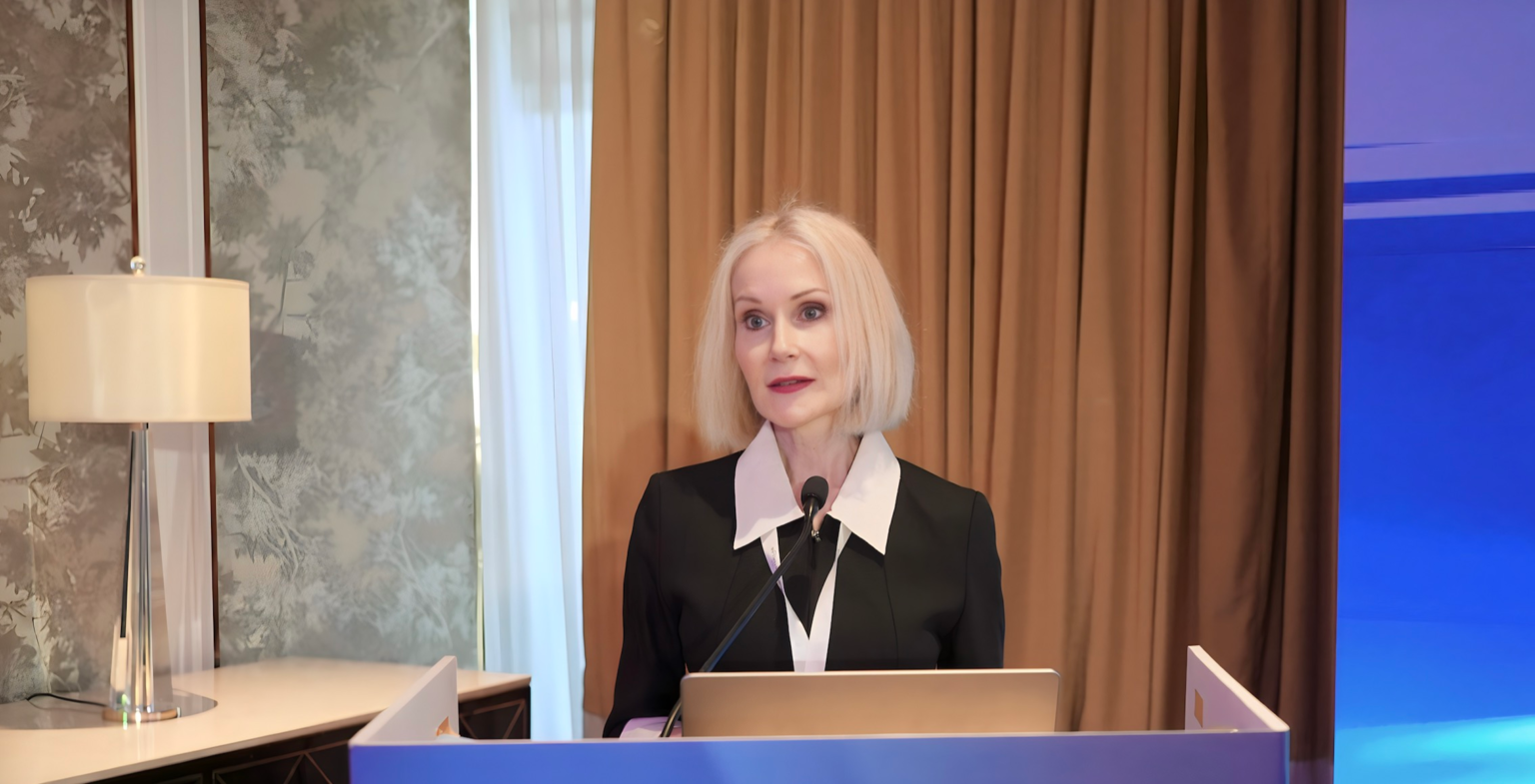
Monthly virtual live sessions with Dr Andrée Bates.
A function-specific recorded AI training library that grows every month.
Function-specific AI training tracks built around the work your team actually does — medical affairs learns AI for medical affairs, regulatory learns AI for regulatory — on shared
Foundations for everyone covering GxP, validation, data readiness and governance, evaluating AI vendors properly, evaluating AI output for a regulatory workflow and much more..
Ask the library— medical affairs learns AI for medical affairs, regulatory learns AI for regulatory — on shared
Nobody has to find the time, because nobody has to go looking.
Every module and every live session is recorded, and AI searches all of it. Someone hits a problem on a Tuesday and types the question the way they would say it out loud — how do I check a generated summary against its source, what has to go in the audit trail, has anyone asked about this vendor tool — and it comes back with the exact video the answer is in and the minute it starts.
Not a keyword search across module titles.
And not an AI-written answer either.
The AI does the finding. It never does the answering.
What plays is Dr Bates on video, answering that question — including from a past live session, so an answer she gave one regulatory team in March is findable by a different regulatory team in September.
They watch ninety seconds and go back to work. Which matters most for the workflows that come round quarterly — the payer dossier, the periodic safety update, the submission twice a year — exactly the ones a team has half-forgotten by the time the next one lands, and exactly where AI saves the most time.
Per-person records your sponsor can use. One licence per business unit, no per-seat charges.
Because in AI, trained once means trained then.
More about the AI Institute
The Institute has its own page, and it needs one
What is above is the summary. The full case runs longer because the questions are real ones, and they are answered on the page rather than in a call four weeks from now.
What is over there:
• The regulation moved in July, and not in the direction most people read it. The Digital Omnibus rewrote Article 4 of the EU AI Act in full — and when the same Omnibus deferred the high-risk obligations to 2027 and 2028, it did not defer Article 4. It applies at any risk level, so it reaches the general-purpose assistants your teams already have open. And it reaches organisations outside the EU wherever their output is used inside it: an EMA submission, safety data covering EU patients, material used by an EU affiliate.
• The evidence behind ninety days, including the two meta-analyses the memory curve is drawn from.
• What a month looks like for a regulatory writer, next to what it looks like for a brand manager. Same Foundations, nothing above them shared.
• Security, data handling and procurement, answered upfront — so it does not stall at third-party risk in week four.
• How it is priced, and the two questions worth asking any AI training provider, including us.
• A component from a real module, unedited, so you can judge it rather than take our word for it.
[ See the full Institute page → ]
Preferred Partner is five companies, then it closes.
Tracks are built in Preferred Partner order, so a function that comes in early has its curriculum shaped in conversation with its own team while it is still being written.